
Okay, so check this out—staking Solana (SOL) has become one of the quieter ways to earn yield while supporting the network. Wow! If you’re the type who likes passive income but hates babysitting nodes, this is for you. My instinct says many people still think staking means running servers and sleepless nights. Actually, wait—let me rephrase that: for most users, staking just means choosing a validator and delegating tokens. Simple, right? Well, mostly. There are layers, trade-offs, somethin’ to watch for, and some UX quirks that still bug me.
First impressions matter. Seriously? Yes. The first time someone opens a web wallet and sees “Stake” in the menu, they expect fiat-level simplicity. On one hand, wallets have made huge strides. On the other hand, web wallets add an attack surface (browser, extensions, phishing). So this piece is about practical steps, realistic risks, and how to stake SOL from a web wallet with reasonable safety practices—without pretending everything is painless.
Let’s start with the basics: staking on Solana doesn’t lock your tokens forever. You delegate SOL to a validator; your stake earns rewards that compound over epochs; you can deactivate later and withdraw after the deactivation completes. That’s the gist. But pay attention—epochs, activation delays, validator behavior, and fees matter. I’ll walk through the lifecycle and then share a checklist for using a web wallet safely. Oh, and by the way… I’ll embed a helpful web wallet link later on.
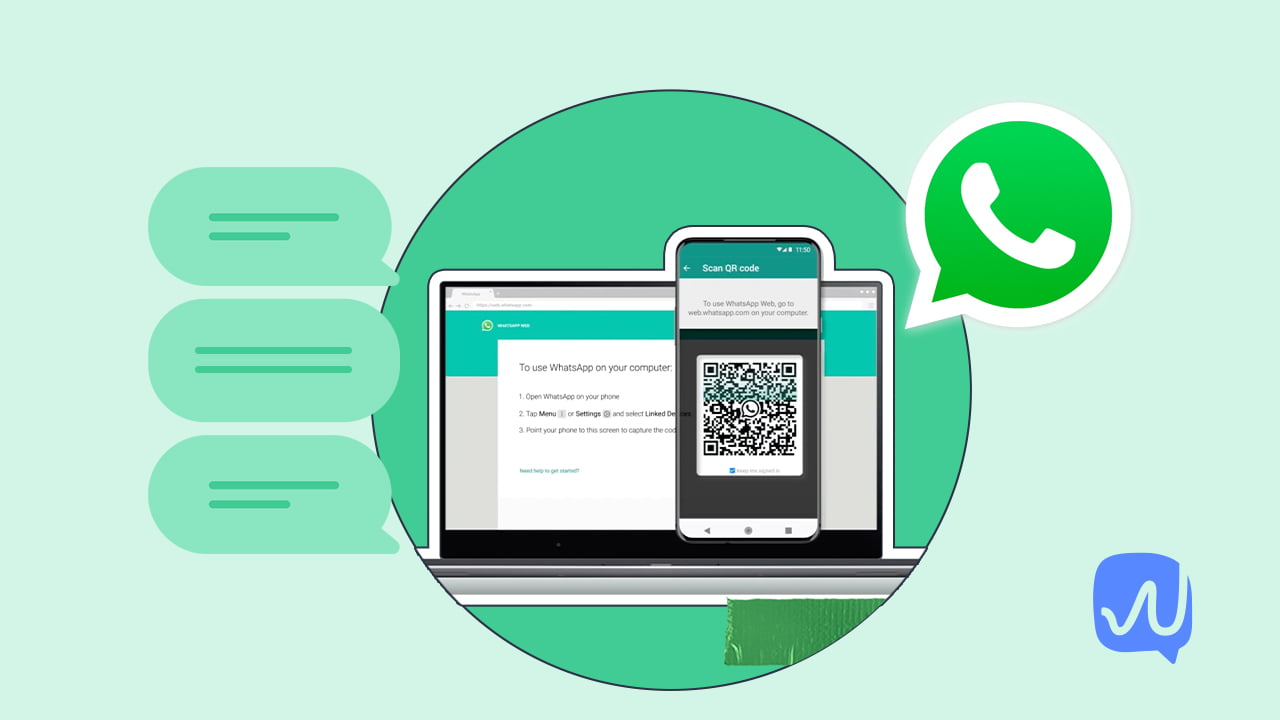
Why stake SOL? And what to expect
Short answer: earn rewards and help secure the network. Medium answer: validator selection affects your yield and risk profile. Long answer: staking supports consensus, distributes rewards per epoch, and you indirectly rely on the validator’s uptime, performance, and commission model; if your validator slacks, your rewards fall, and if they behave poorly you may need to move your stake—though Solana doesn’t have the dramatic slashing models you see elsewhere, poor performance still costs you. Hmm…
Epoch timing matters. Solana epochs are relatively short (compared to some chains), but activation and deactivation are epoch-based. That means if you delegate now, rewards may not show until the stake becomes active across an epoch boundary. If you deactivate, you often wait a couple epochs to fully withdraw. So plan for short delays, not instant liquidity.
Also, validator commission is a thing. Validators take a cut of rewards. Lower commission often means higher take-home yield but sometimes correlates with less professional infra. Higher commission can mean better uptime or added services. On top of that, network fees for transactions exist, though they’re tiny on Solana. Still, very very important to factor in the validator’s history and transparency before delegating.
Step-by-step: staking from a web wallet
Okay—here’s the pragmatic flow most web wallets present. I’ll keep it wallet-agnostic in terms of clicks, then call out web-specific security notes.
1) Create or import your wallet. Short sentence. Save your seed phrase offline—paper or a hardware-backed vault. Do not screenshot your seed or paste it into random sites. I’m biased, but hardware or cold storage is the safer approach for significant amounts.
2) Fund the wallet with SOL. You’ll need a small buffer for transaction fees. On Solana, fees are low, but always keep a little extra for future transactions and possible re-delegations.
3) Open the staking section and choose “Delegate” or “Stake”. Most web UIs present a list of validators with commission, uptime, and maybe social links. Read the profile. If they don’t have transparency or published performance, that’s a red flag.
4) Pick a validator and set the stake amount. Consider splitting across multiple validators if you’re worried about concentration risk. Spread thin across 2–3 reputable validators if you want to balance risk and yield.
5) Confirm and sign the transaction in your web wallet. This is where phishing gets sneaky—validate the origin of the page, and never approve signature requests you didn’t initiate. If a site asks for your seed phrase, close the tab. Seriously, close it.
Note: With web wallets you’ll often be asked to approve via a browser extension modal or an in-page popup. That’s normal. Still, check the transaction details before approving. If it looks off, don’t sign. My instinct said “double-check” the first dozen times I tested staking flows—and you should too.
Using phantom web for staking (link embedded naturally)
If you prefer a web-native experience, try the browser-friendly route via phantom web. It surfaces validators, lets you delegate with a few clicks, and shows epoch info in the UI. Caveat: always verify the URL and ensure you landed on the official domain—phishing clones exist. I’m not endorsing any single validator or wallet as flawless, but for users who want a web-based Phantom-like flow, this is the kind of interface you’ll encounter.
One more practical tip: when you delegate, note the “activation epoch” and check your balance after that epoch passes. Rewards compound and are visible in the staking dashboard. If rewards look missing, check the validator’s performance or community reports. Sometimes validators undergo maintenance or suffer outages—follow them on Discord or Twitter for transparency. (oh, and by the way… keep a bookmark to those channels.)
Security checklist for web wallet staking
Here’s my compact checklist—print it, or screenshot it, but do not post your seed phrase publicly.
- Seed safety: store offline. Never enter seed on unknown sites.
- URL hygiene: verify domain and TLS. Look for subtle typos—phishing is clever.
- Hardware option: use a Ledger or similar for signing when available.
- Validator vetting: uptime, commission, community reputation, validator node details.
- Split stakes: avoid single-validator concentration for large holdings.
- Limit approvals: don’t grant blanket permissions in wallets—review each request.
I’ll be honest—web wallets lower the barrier to entry. That’s great. But the trade-off is you have to be a shade more cautious about phishing and browser-based threats. If you plan to stake for the long haul, consider moving large holdings to hardware-backed wallets and use web interfaces for monitoring, not custody.
Costs, rewards, and tax basics
Reward rates vary across validators and over time. Solana’s inflation schedule changes, and network activity influences effective yields. Don’t expect a fixed APY forever. Also, rewards often compound automatically but check your wallet to confirm. Taxes are jurisdiction dependent—staking rewards are typically taxable as income in many countries, and record-keeping matters. I’m not a tax advisor; talk to one if you have questions, especially with larger sums involved.
FAQ
How long does it take to unstake SOL?
Unstaking (deactivation + withdrawal) usually completes across a couple of epochs. Expect short delays—hours to days depending on when you deactivate relative to epoch boundaries. Plan ahead if you need liquidity.
Can my stake be slashed?
Solana doesn’t implement the same harsh slashing regimes some chains have, but validator misbehavior and long downtime reduce rewards. Validators can also be kicked or penalized depending on their behavior, which affects delegators indirectly, so choose validators with consistent uptime and good communication.
Author


